
Polybutylene Pipes: Do You Still Have Them? Here’s Why North Georgia Homeowners Should Care
If your home was built between 1978 and 1995, there’s a chance it contains polybutylene pipes. While these gray plastic water supply pipes were once considered the future of residential plumbing, time has shown they can become one of the biggest hidden problems a homeowner faces.
At North Georgia Rooter, we’ve seen firsthand how aging polybutylene pipes can lead to unexpected leaks, water damage, and expensive repairs. If you’re unsure what type of plumbing your home has, now is the perfect time to find out.
What Are Polybutylene Pipes?
Polybutylene pipes are flexible plastic water supply lines that were widely installed in millions of homes across the United States from the late 1970s through the mid-1990s. They were popular because they were inexpensive, easy to install, and resistant to freezing.
Unfortunately, years of use revealed a major flaw.
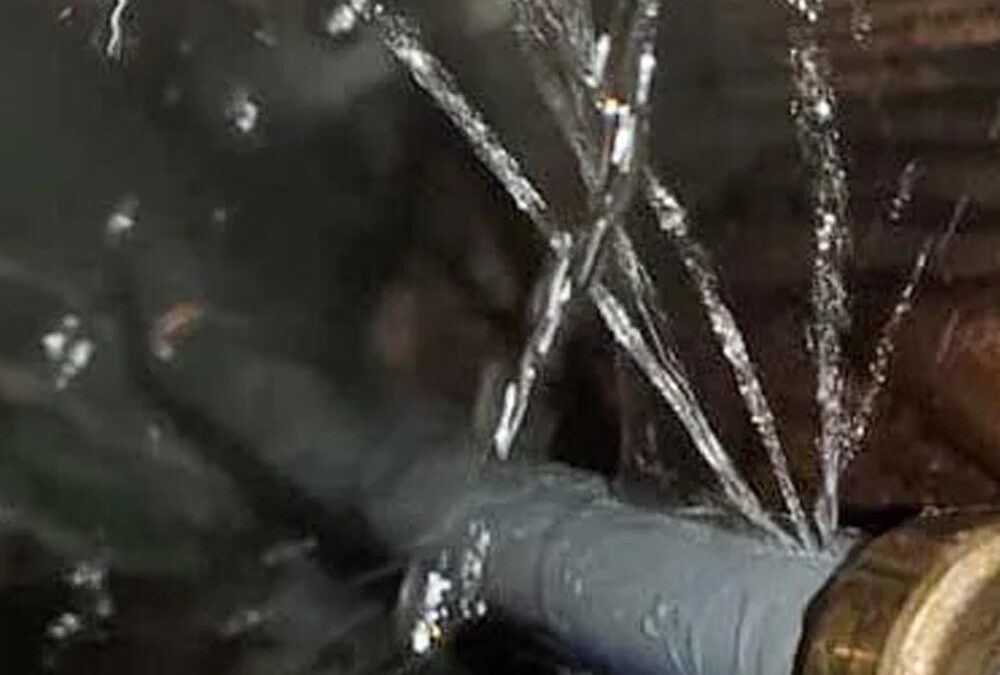
The chlorine and other disinfectants commonly found in municipal water supplies slowly break down the material from the inside out. Over time, the pipes become brittle and can crack, split, or fail without much warning.
How Can You Tell If You Have Polybutylene Pipes?
Most polybutylene pipes are:
- Gray, blue, or black in color
- Approximately ½-inch to 1-inch in diameter
- Stamped with “PB2110”
- Found entering your water heater, under sinks, in crawl spaces, or in unfinished basements
If your home was built during the years when polybutylene pipes were commonly installed, it’s worth having them inspected—even if you’ve never experienced a leak.
Warning Signs Your Polybutylene Pipes May Be Failing
Many homeowners don’t realize there’s a problem until significant water damage has already occurred.
Common warning signs include:
- Frequent plumbing leaks
- Water stains on ceilings or walls
- Low water pressure
- Damp flooring
- Mold or mildew growth
- Unexplained increases in your water bill
- Visible corrosion around pipe fittings
Even if everything appears normal, polybutylene pipes can fail suddenly because deterioration often occurs inside the pipe where it cannot be seen.
Why Replacing Polybutylene Pipes Is Often the Best Investment
Once polybutylene pipes begin deteriorating, repairs usually become temporary fixes rather than permanent solutions.
Replacing the plumbing system can provide several benefits:
- Greater peace of mind
- Improved water reliability
- Reduced risk of costly water damage
- Increased home value
- Better insurability with some insurance providers
- Modern plumbing materials designed for long-term performance
Many homeowners choose to replace polybutylene pipes before a major failure occurs rather than waiting for an emergency.
Why Professional Inspection Matters
Not every gray plastic pipe is polybutylene, and not every home built during that era has them. A professional inspection can quickly determine what type of piping your home has and whether any concerns exist.
At North Georgia Rooter, our experienced technicians evaluate your plumbing system, explain your options, and recommend the most cost-effective solution based on your home’s condition.
We believe homeowners deserve honest advice—not unnecessary repairs.
Serving Homeowners Throughout North Georgia
Whether you’re purchasing an older home or have lived in your house for decades, knowing whether you have polybutylene pipes is an important part of protecting your investment.
If you suspect your home may have polybutylene pipes, don’t wait until a leak causes expensive damage. Let the professionals at North Georgia Rooter inspect your plumbing system and provide the expert guidance you need.
Contact North Georgia Rooter Today
Protect your home before hidden plumbing problems become costly repairs.
North Georgia Rooter
📞 (706) 998-2700