
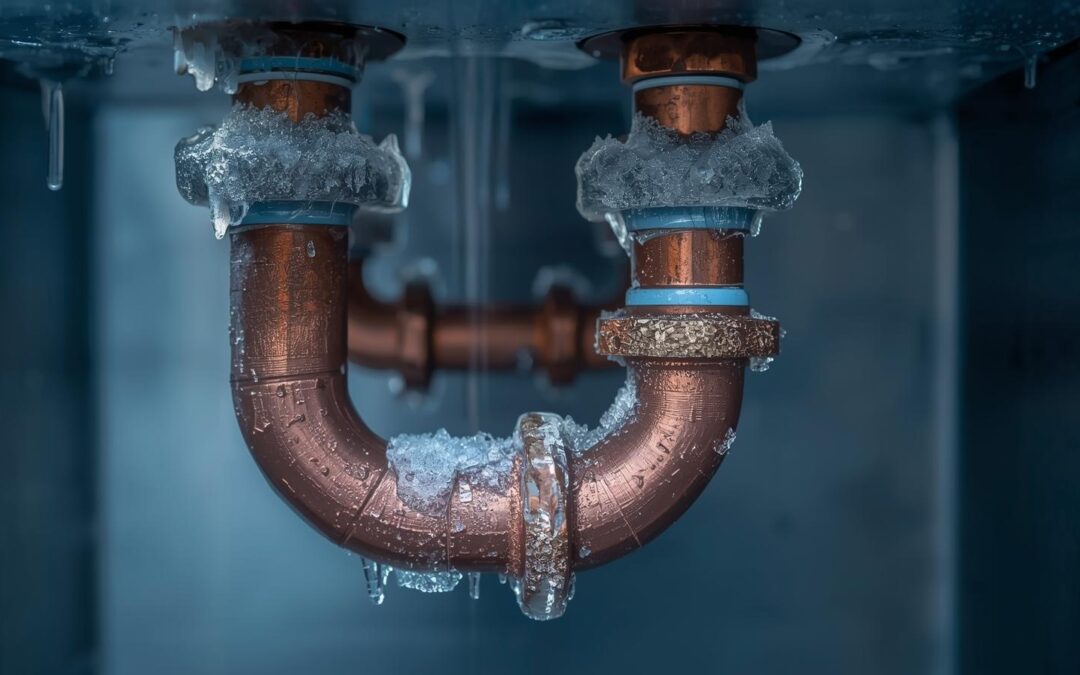
When temperatures in Dawsonville drop below freezing, something dangerous can happen inside your walls and under your home. Water expands as it freezes, creating pressure that can burst pipes and cause flooding. By the time you realize the problem, you might be looking at thousands of dollars in water damage repair.
The good news is that frozen pipes are preventable. Understanding which pipes are most vulnerable and taking the right steps now can save you from an expensive emergency this winter.
Which Pipes Are Most at Risk?
Not every pipe in your home is equally vulnerable to freezing. The most dangerous pipes are the ones exposed to outdoor temperatures or located in unheated spaces. This includes pipes in crawl spaces, attics, basements, and exterior walls. Outdoor water lines and irrigation systems are also extremely susceptible.
Pay special attention to pipes on the north side of your home, which receives the least sunlight and stays colder longest. Kitchen and bathroom pipes in exterior walls are common problem spots in North Georgia homes.
Insulation Is Your First Line of Defense
The simplest way to prevent frozen pipes is to keep them warm. Foam pipe insulation sleeves are inexpensive and easy to install. You can find them at any hardware store and install them yourself in minutes. Wrap any exposed pipes, paying special attention to vulnerable locations like crawl spaces and under sinks near exterior walls.
For pipes in areas that get extremely cold, consider using heat tape in addition to insulation. Heat tape uses electricity to generate warmth and prevent freezing in the most vulnerable locations.
Water Movement Prevents Freezing
Moving water is much harder to freeze than standing water. If you know a hard freeze is coming, let cold water drip slowly from faucets overnight. This constant movement keeps water from sitting long enough to freeze solid.
Focus on faucets at the ends of water lines and on the coldest parts of your home. Opening cabinets under sinks allows warm air to circulate around pipes and provides additional protection.
Seal Cracks and Gaps
Check for cracks and gaps in your home’s exterior where water lines enter. Use caulk or weatherstripping to seal these openings. Cold air flowing directly across pipes makes them much more vulnerable to freezing.
Understand Your Shut-Off Valve
Every homeowner should know where the main water shut-off valve is located and how to use it. If a pipe does freeze and burst, your immediate action in shutting off the water can mean the difference between a manageable problem and a flooded basement.
What to Do If Pipes Freeze
If you turn on a faucet and get nothing but a trickle, you likely have a frozen pipe. Apply heat using a hair dryer, heating lamp, or heat gun. Never use an open flame. If applying heat doesn’t restore water flow quickly, or if you can’t locate the frozen section, call a professional.
Don’t ignore the problem and assume it will thaw naturally. The longer ice remains in your pipes, the greater the chance of a burst.
Act Now Before Winter
The time to prepare for frozen pipes is before the first freeze, not after. Take an afternoon to inspect your home, install insulation, and seal gaps. It’s one of the best investments you can make in protecting your home.
If you’re not sure where your vulnerable pipes are or need help with winterization, call North Georgia Rooter. We can identify risk areas and recommend the best prevention strategies for your Dawsonville home.